Our simulation experiences allow learners to practice clinical skills, develop critical thinking, and build confidence in a safe learning environment.
Every simulation is guided by experienced educators, followed by structured debriefing that turns practice into lasting clinical judgment.
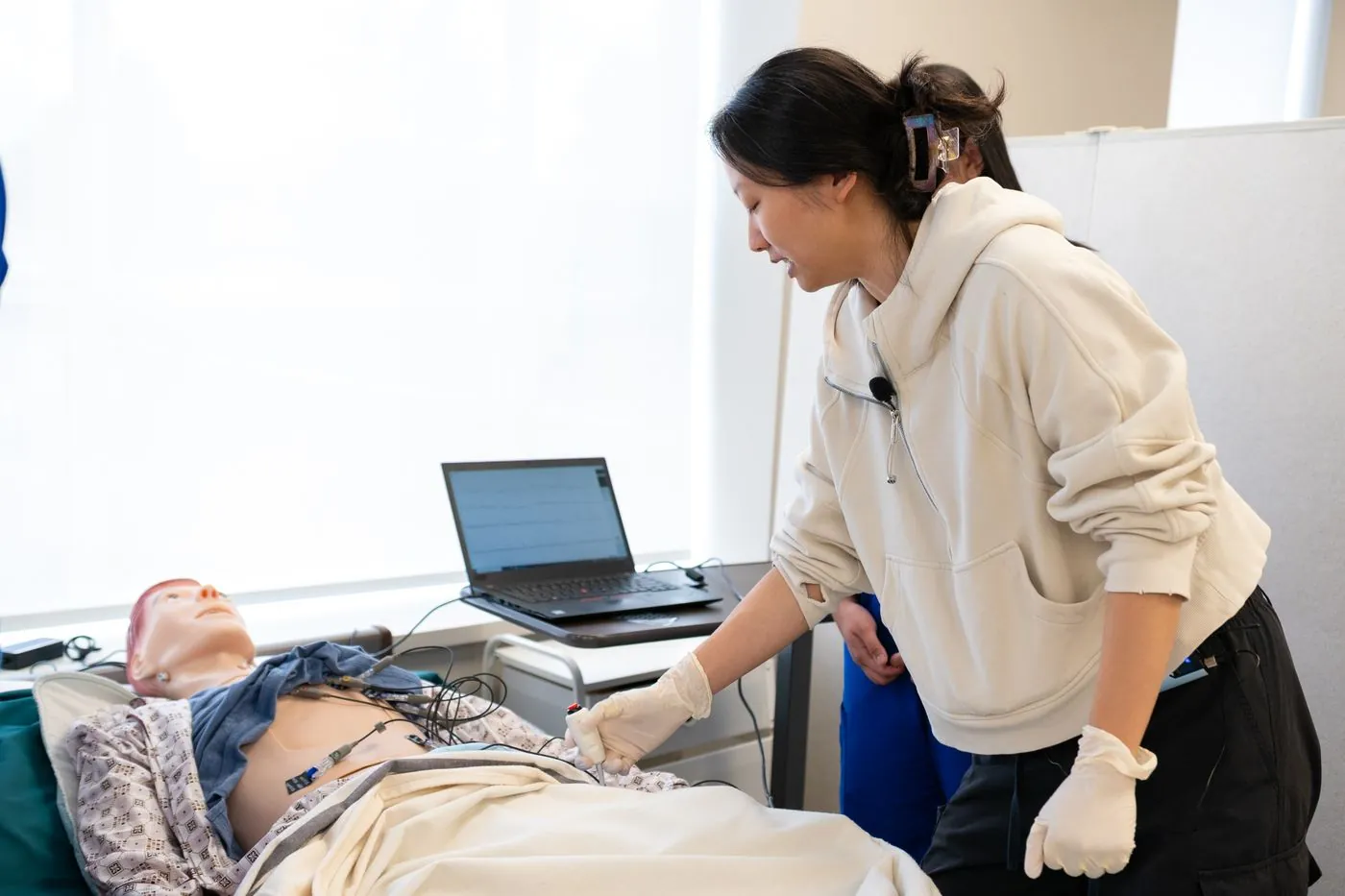
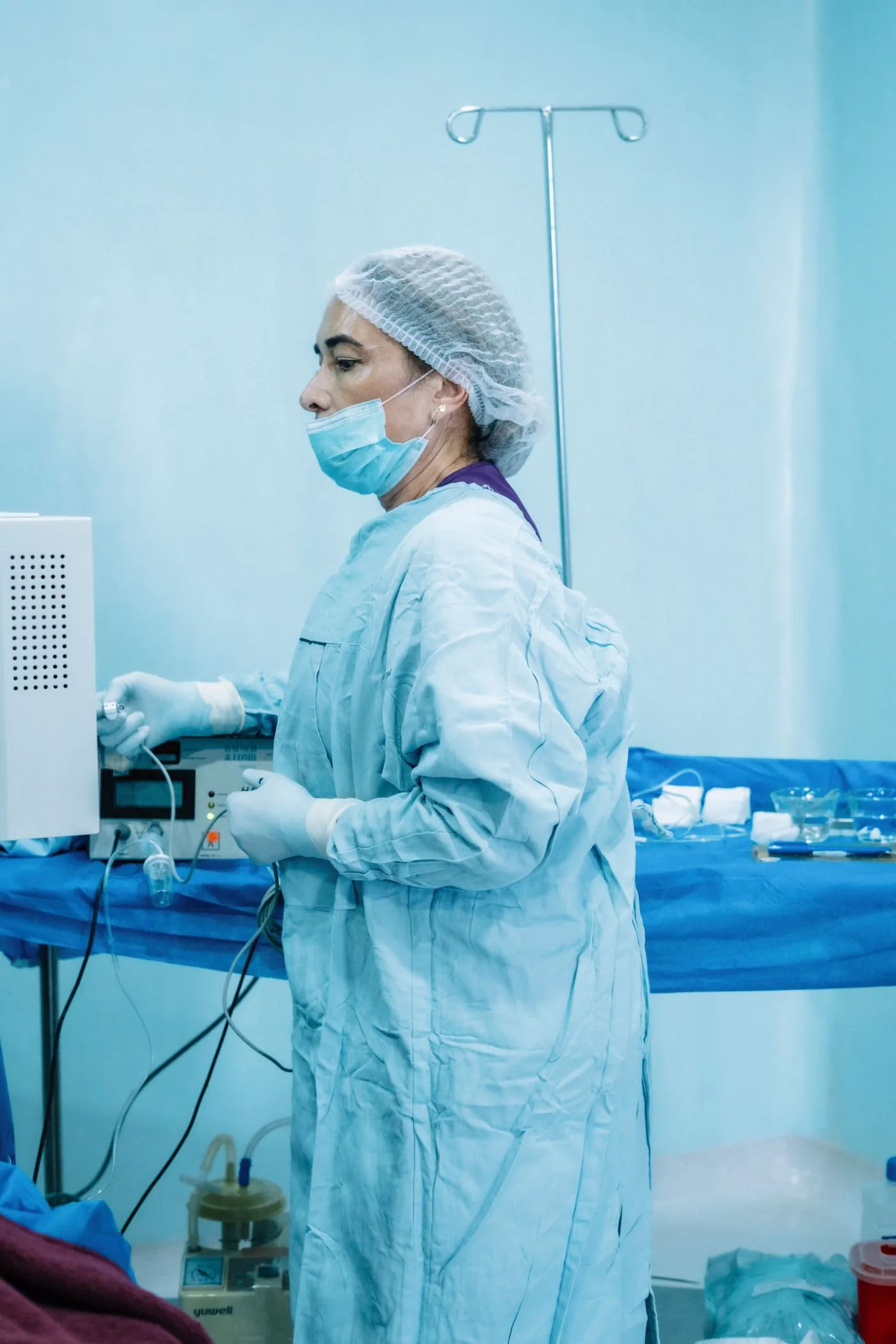
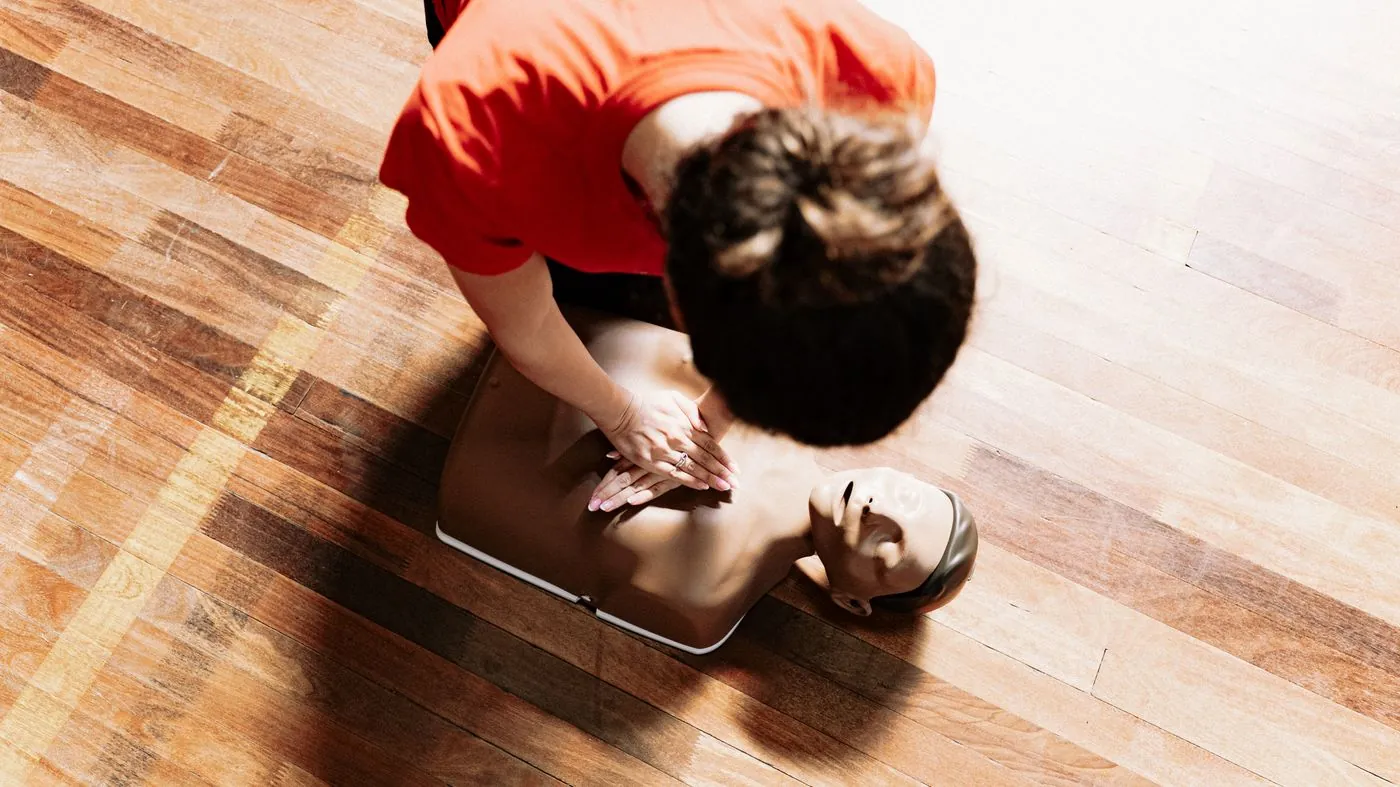
Repeat high-stakes procedures until they feel routine, with no risk to real patients.
Realistic scenarios that demand assessment, prioritization, and clinical decision-making in the moment.
Structured debriefing and supportive coaching that turn every session into measurable growth.
The Wahero Simulation Lab is a hands-on simulation service for nursing learners and clinical teams. Learners practice skills and decision-making with mannequins, skills stations and instructor demonstrations, then take part in a structured debrief led by an educator. Wahero runs simulation events on-site for hospitals, nursing schools and community partners, quoted per cohort from $1,500. Simulation is a learning method: it is not clinical advice and it does not replace supervised clinical practice.
Every well-run simulation follows the same order. The INACSL Healthcare Simulation Standards of Best Practice treat prebriefing and debriefing as standards in their own right, because the quality of the scenario depends on both. Here is the order as we run it. Timings are set per event and confirmed when you book.
The educator orients the group to the room and equipment, states the learning objectives and sets the ground rules. Learners agree to treat the scenario as real, and the educator agrees to keep it realistic and fair. Everyone is told that taking part means being capable, caring and wanting to improve, so a mistake is read as a gap to close rather than a verdict.
A small group works through a case at the mannequin or station: noticing a change, assessing, prioritizing, communicating and escalating. The educator watches against the objectives and does not rescue the group unless safety in the room requires it.
The longest and most important part. The group reflects on what happened, why, and what to do differently, using a structured framework and the objectives as the guide. Two scenarios debriefed well teach more than four scenarios debriefed badly.
For competency validation days, results are recorded against a written checklist that is shared in advance. How your event records outcomes is agreed before the day.
| Format | What it is | Best for |
|---|---|---|
| Simulation mannequins | A full-body mannequin used to practice assessment, prioritization and communication in a scenario. | Scenario practice for students and new graduates |
| Skills stations | Short, focused stations where one skill is practised repeatedly with feedback. | Repeated practice before a competency sign-off |
| Instructor demonstrations | An educator demonstrates a skill or a scenario and narrates the reasoning. | Introducing a new skill or a changed procedure |
| On-site events | We bring the lab to your facility or school for your own cohort. | Hospitals, nursing schools and community partners |
Which equipment is used for your event, how many learners run at once and how long each block takes are confirmed when you book. Wahero does not claim any equipment, accreditation or learner numbers that are not published here.
| Service | Simulation-based education: mannequins, skills stations, instructor demonstrations and structured debriefing. |
|---|---|
| Delivery | On-site for hospitals, nursing schools and community partners, in Texas. |
| Fee | Facility programmes from $1,500, quoted per cohort. The quote is confirmed in writing before you commit. |
| Dates and venue | Confirmed when you book. |
| Group size and length | Confirmed when you book. It depends on the scenarios and the number of learners. |
| Educator | A nurse educator from the institute. Angela Jones, MSN, RN leads the institute's teaching. The educator for your event is confirmed when you book. |
| Assessment | Learning sessions give feedback. Competency validation days use a written checklist shared in advance. |
| Continuing education hours | Not awarded unless your facility arranges them separately. |
| Contact | (832) 490-4024 or info@waherohealthinstitute.com |
Our own articles explain the method in detail, with the published standards behind it:
Page reviewed 5 November 2026. Simulation is a learning method and does not replace your employer's policies or supervised clinical practice.
We run simulation events on-site for hospitals, nursing schools, and community partners.